
The psychological tricks casinos use to entice gamblers and boost profits ice fishing game
The Allure of Ambiance
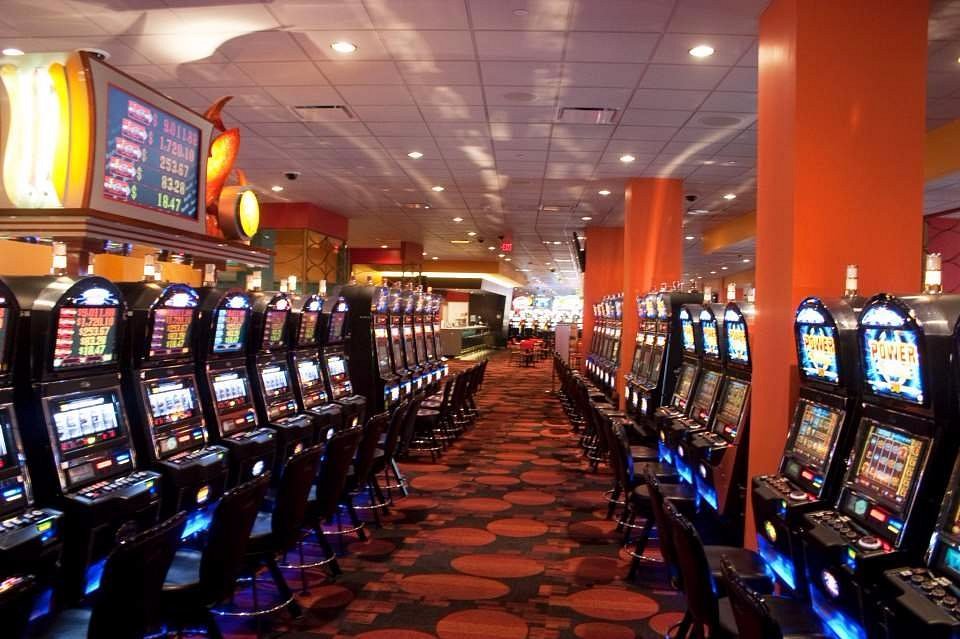
The physical environment of a casino plays a crucial role in enticing gamblers. Bright lights, captivating sounds, and the overall decor create an immersive experience that keeps players engaged. For instance, many casinos use specific color schemes that evoke feelings of excitement and energy, subtly encouraging visitors to spend more time and money. The presence of lively music and the sounds of machines winning amplify this sensation, making it challenging for patrons to leave their seats. Moreover, many enthusiasts enjoy an ice fishing game online as a form of entertainment that mirrors the thrill found in traditional casinos.
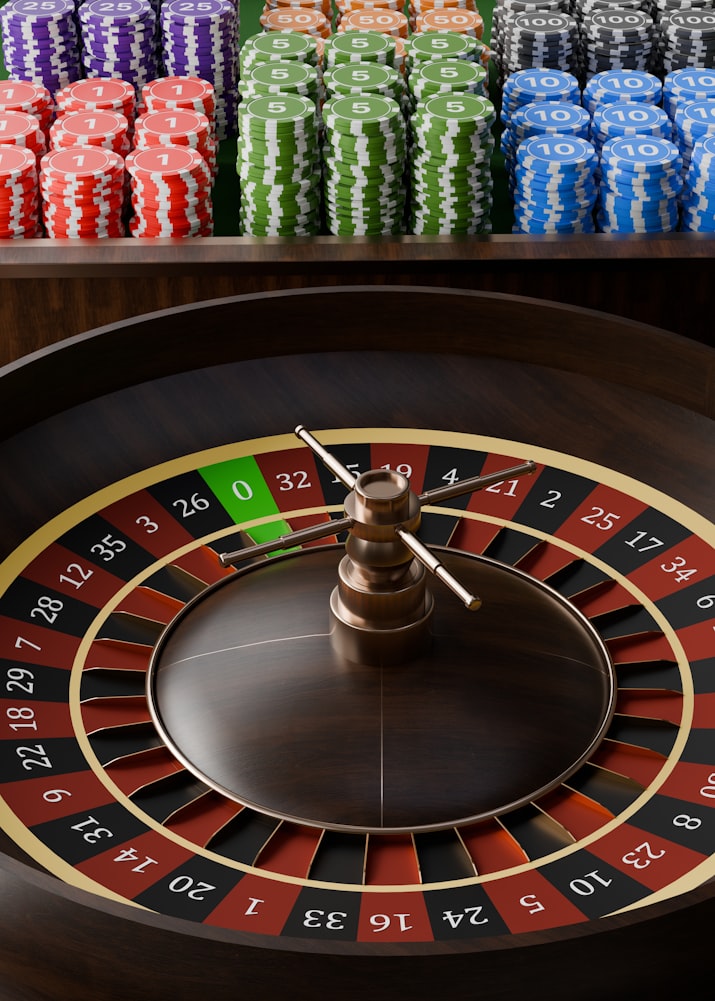
Additionally, casinos are meticulously designed to minimize discomfort and maximize enjoyment. Walkways are spacious, and seating is comfortable, allowing for an extended gambling session. The strategic placement of various gaming machines means that players often have their favorite games within close reach, further reducing any impulse to leave. In essence, the environment functions as a psychological trap, reinforcing the desire to play.
Moreover, the scent of freshly prepared food and beverages wafts through the air, enticing players to indulge in snacks or drinks. Complimentary drinks, often served by attractive staff, further enhance the experience and create a false sense of reward. This sensory overload makes it difficult for players to gauge time and money spent, ultimately contributing to the casino’s profits.
The Illusion of Winning
One significant psychological trick employed by casinos is the manipulation of the perceived odds of winning. Slot machines are designed to pay out frequently but often in small amounts, creating an illusion of success. Players may believe they are on the verge of a big win, which encourages them to continue playing. The sporadic nature of these wins can lead gamblers to overlook their losses, believing they are still ahead or just a few spins away from a massive payout.
This notion is further perpetuated by the “near-miss” phenomenon, where a player is one symbol away from a jackpot. Research suggests that near-misses can stimulate the brain’s reward centers, making players feel more compelled to continue gambling. By constantly reinforcing the idea of being close to winning, casinos can effectively keep players invested, both emotionally and financially.
In addition, the use of reward systems, such as loyalty points and promotional bonuses, fosters a sense of accomplishment. When gamblers receive these rewards, they feel appreciated and are more inclined to continue playing. This reinforcement creates a cycle where players are conditioned to return, drawn in by the potential for future winnings, which ultimately benefits the casino’s bottom line.
The Role of Social Interaction
Social interaction is another psychological tactic that casinos leverage to boost engagement and spending. Many gamblers enjoy the communal experience of playing games, especially at table games like poker or blackjack. The shared excitement among players creates a vibrant atmosphere that encourages longer playtimes and increased bets. This sense of camaraderie can be a powerful motivator, making players less inclined to leave the table.
The presence of other players also introduces a competitive element, pushing individuals to gamble more in a bid to outperform their peers. Additionally, casinos often organize events and tournaments, inviting players to participate and engage with one another. This social dynamic reinforces a sense of belonging and can make the gambling experience more enjoyable, which leads to increased spending.
Furthermore, the strategic placement of cashiers and drink stations encourages social interactions among players. When individuals pause to chat or share experiences, it creates a more relaxed environment, making them less aware of time and money spent. This interplay between social dynamics and gambling drives casino profits by ensuring that players remain engaged and invested in the gaming experience.
The Power of Incentives
Incentives are a fundamental aspect of casino marketing strategies designed to entice gamblers. Free play offers, bonuses, and cashback deals are commonplace, aimed at attracting new players while retaining existing ones. By providing these incentives, casinos create a sense of urgency, urging players to gamble more in the hopes of maximizing their rewards. This tactic capitalizes on the human tendency to seek immediate gratification.
Moreover, loyalty programs are particularly effective in maintaining customer retention. Players accumulate points for every bet placed, which can later be redeemed for cash, gifts, or exclusive experiences. This not only fosters loyalty but also encourages higher stakes gameplay. Gamblers often feel compelled to increase their betting to achieve better rewards, ultimately boosting the casino’s profits.
The marketing of these incentives is also cleverly crafted. Casinos often promote limited-time offers to create a fear of missing out (FOMO), enticing players to act quickly. This urgency can drive impulsive behavior, leading to increased spending. By cleverly framing incentives and promotions, casinos manipulate psychological tendencies to secure higher profits and player engagement.
Understanding the Online Experience
The evolution of gambling into the online space introduces new psychological elements. In the realm of digital gaming, the ice fishing game online captures the same allure as traditional casinos. These games leverage colorful graphics, engaging narratives, and instant gratification to entice players. Online casinos often create a seamless user experience that mirrors the excitement of in-person gambling while providing the convenience of playing from home.
Moreover, online platforms utilize analytics to personalize user experiences. By tracking player behavior, they can tailor promotions and recommendations to suit individual preferences. This personalized approach fosters a deeper connection with players, making them feel valued and encouraging them to spend more. The integration of social elements through chat features and multiplayer options further enhances engagement and mirrors the social dynamics seen in physical casinos.
Additionally, the accessibility of online gambling means that players can indulge in their favorite games anytime, increasing the frequency of play. The instant nature of online transactions further blurs the lines between reality and gaming, making it easy for players to lose track of their spending. This combination of accessibility, personalization, and instant rewards leads to a potent mix that drives the profitability of online casinos.
Conclusion on Casino Strategies
Understanding the psychological tricks employed by casinos sheds light on the intricacies of gambling behavior. The combination of immersive environments, illusions of winning, social dynamics, and enticing incentives creates a compelling experience for players. These elements work harmoniously to keep gamblers engaged and spending, ultimately boosting the profits of casinos.
As gambling evolves, particularly with the rise of online gaming, the psychological strategies employed will continue to adapt. Casinos will persist in refining their techniques to maximize player engagement and profits. Players should be aware of these tactics, allowing them to make more informed decisions about their gambling habits and financial well-being.